




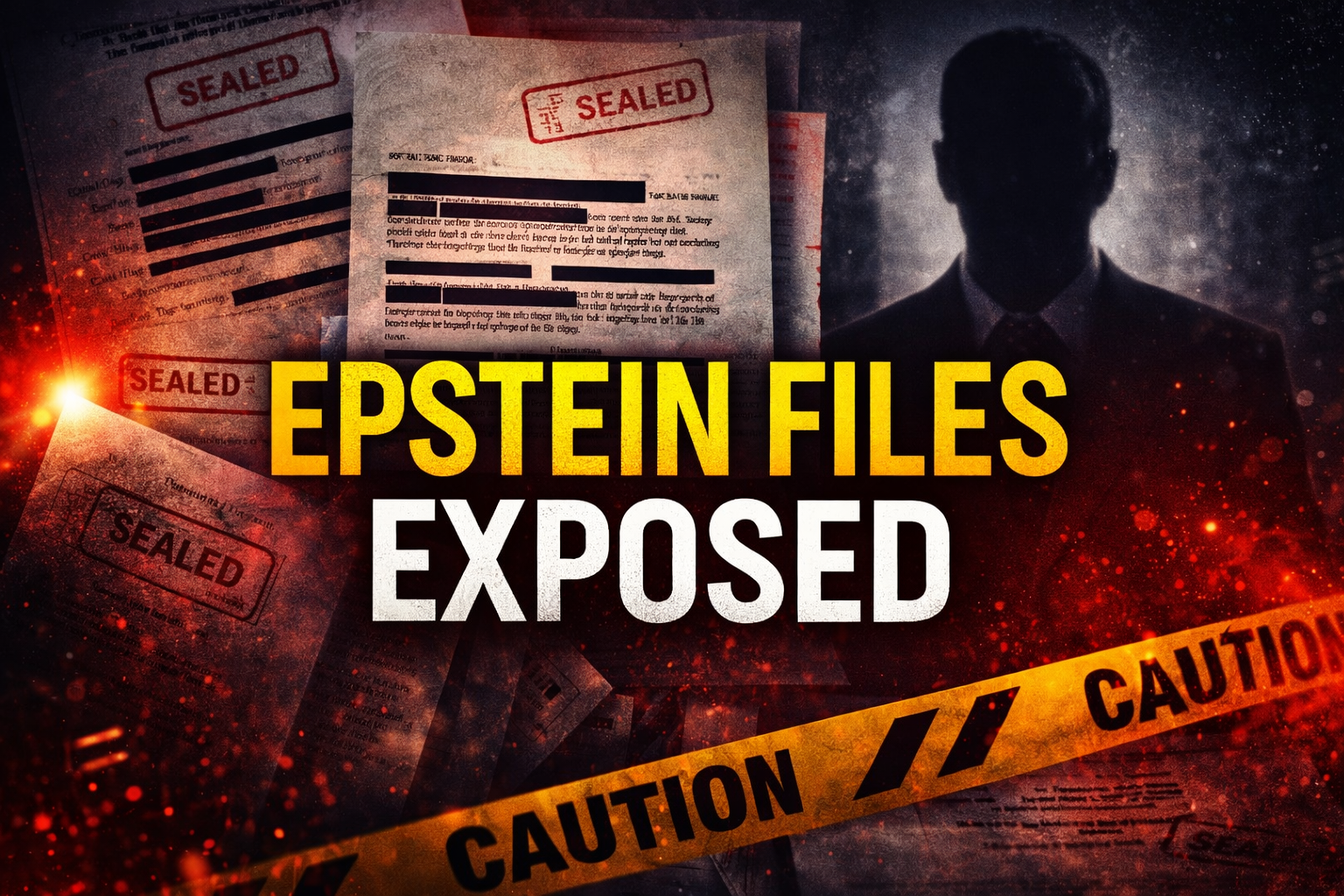
The term “Epstein files” refers to a large collection of legal documents, investigation records, court filings, testimonies, and evidence connected to the criminal cases and civil lawsuits involving Jeffrey Epstein, a former financier who became one of the most controversial figures in modern history.
Over the years, these files have gained worldwide attention because they contain information about sexual abuse allegations, trafficking networks, financial dealings, and the names of powerful individuals who were connected to Epstein socially or professionally. The release of parts of these files has raised serious questions about accountability, justice, and transparency.
Table of Contents
Who Was Jeffrey Epstein?
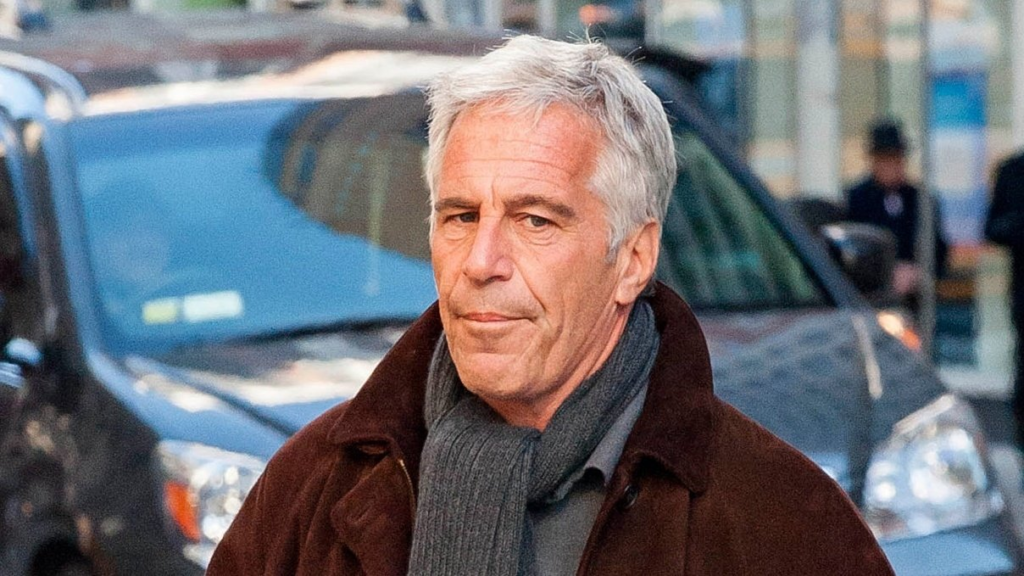
Jeffrey Epstein was a wealthy financier with strong connections to politicians, business leaders, celebrities, and academics. Despite his elite status, he became the center of one of the most disturbing criminal cases in recent history.
Epstein was first investigated in the early 2000s for sex crimes involving minors. In 2008, he entered a controversial plea deal that allowed him to serve a short jail sentence with lenient conditions. This deal later became a major point of criticism and investigation.
In 2019, Epstein was arrested again on federal charges related to sex trafficking of minors. He died in jail later that year while awaiting trial. His death intensified public interest and scrutiny of his case.
What Exactly Are the Epstein Files?
The Epstein files are not a single document. They are a collection of materials, including:
- Court documents from criminal and civil cases
- Sealed and unsealed testimonies
- Depositions from witnesses and victims
- Financial records
- Emails and flight logs
- Investigation notes from law enforcement agencies
Many of these files were part of lawsuits filed by Epstein’s victims against him and his associates, including Ghislaine Maxwell, who was later convicted for her role in recruiting and abusing minors.
Where Did the Epstein Files Come From?
The Epstein files originated from multiple sources:
1. Civil Lawsuits
Victims filed civil cases seeking justice and compensation. These cases produced thousands of pages of evidence, including sworn testimonies and internal communications.
2. Criminal Investigations
Federal investigations conducted by agencies such as the Federal Bureau of Investigation and the United States Department of Justice generated extensive records.
3. Media Investigations
Journalists uncovered flight logs, property records, and financial trails that later became part of legal filings.
4. Court-Ordered Disclosures
Judges ordered certain sealed documents to be reviewed and later released in the public interest.
How Did the Epstein Files Become Public?
Most Epstein-related files were initially sealed to protect victims’ identities and ensure fair legal proceedings. Over time, courts reviewed these materials and decided that some documents should be unsealed.
Key reasons for public release included:
- Public interest in transparency
- Completion of major trials
- Legal motions by journalists and advocacy groups
- Court rulings stating that secrecy was no longer justified
It is important to note that not all Epstein files are public. Many remain sealed to protect victims and ongoing legal considerations.
Who Released the Epstein Files?
The files were not released by a single person. Instead, they were made public through:
- Court orders issued by federal judges
- Legal motions filed by media organizations
- Judicial review processes
- Freedom of Information Act (FOIA) requests
Courts carefully reviewed each document before deciding whether it could be released.
What Do the Epstein Files Contain?
The released files contain several types of information:
Victim Testimonies
Survivors described patterns of abuse, recruitment methods, and locations where crimes occurred.
Associate Names
Some documents mention people who interacted with Epstein. Importantly, being named does not mean guilt, and courts have repeatedly emphasized this distinction.
Flight Logs and Travel Records
Epstein’s private jet records showed frequent travel and helped investigators map connections.
Financial and Property Records
These documents revealed how Epstein funded his lifestyle and properties.
Why Are the Epstein Files So Controversial?
The controversy exists because:
- Epstein had ties to powerful individuals
- His 2008 plea deal appeared unusually lenient
- Many victims felt justice was delayed
- Epstein died before facing trial
- Questions remain about who enabled or ignored his crimes
The files raised concerns about systemic failures in law enforcement and legal accountability.
Ghislaine Maxwell and the Files
Ghislaine Maxwell played a central role in many Epstein-related documents. Her trial led to the release of additional evidence and testimonies.
She was convicted for her role in assisting Epstein’s crimes, confirming that the abuse network was organized and deliberate.
READ ALSO : Union Budget 2026–27: Winners, Losers & Major Economic Decisions

Why Are People Still Talking About the Epstein Files Today?
Interest remains high because:
- Some documents are still sealed
- Victims continue to seek justice
- New legal actions may emerge
- The case exposed weaknesses in elite accountability
- Public trust in institutions was damaged
The Epstein files became symbolic of how wealth and influence can obstruct justice.
Important Clarifications
- Being mentioned in the Epstein files does not equal guilt
- Courts distinguish between allegations and proven facts
- Victim protection remains a priority
- Not all information circulating online is verified
Responsible reporting is critical when discussing these materials.
Conclusion
The Epstein files represent one of the most significant legal document collections related to sexual abuse, power, and accountability in modern history. They emerged from court cases, investigations, and public pressure for transparency.
While many questions have been answered, others remain unresolved. What is clear is that the Epstein case changed how society views elite privilege, victim protection, and justice systems worldwide.