



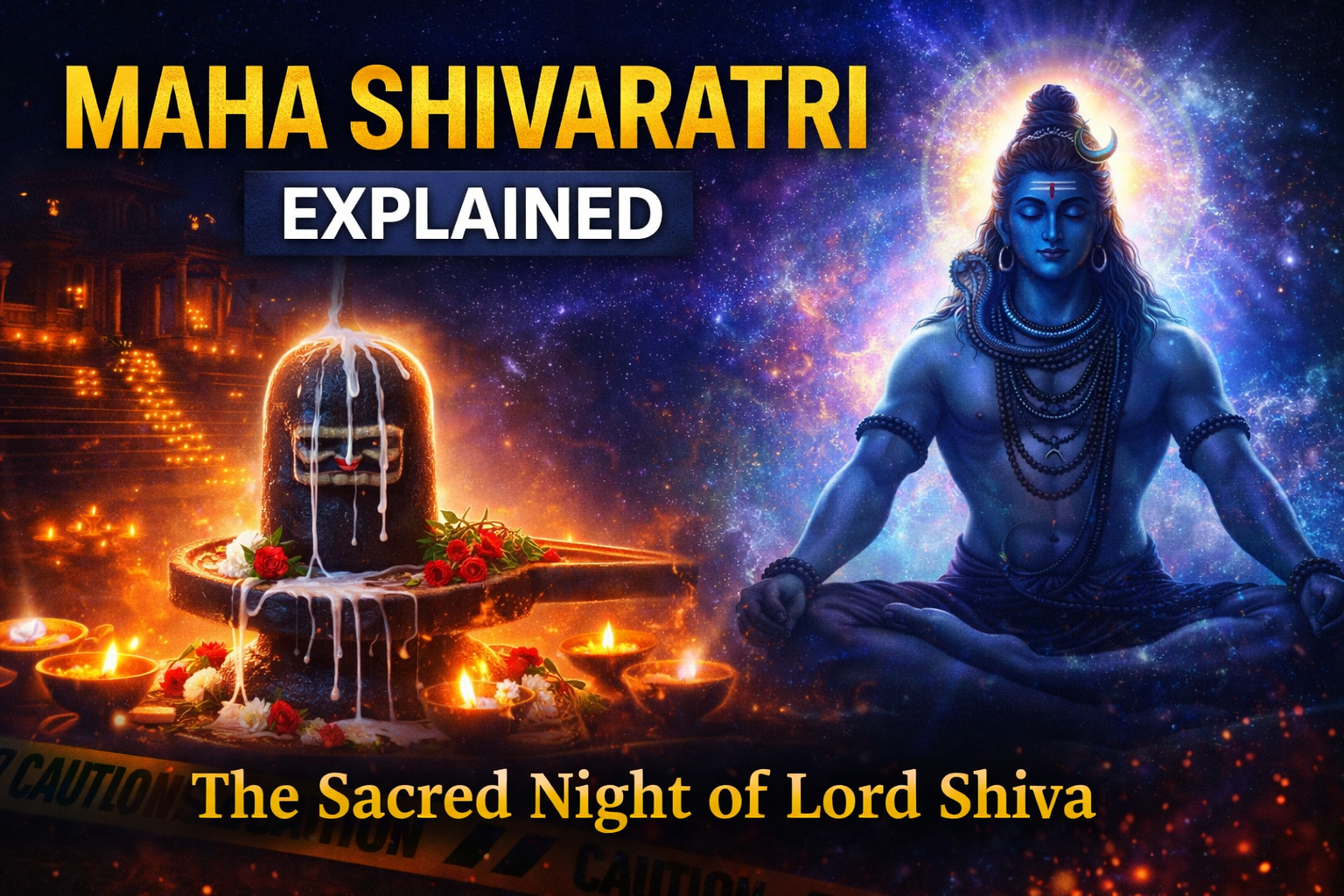
Maha Shivaratri is one of the most sacred and powerful festivals in Hinduism. It is dedicated to Lord Shiva, who is worshipped as the supreme destroyer and transformer in the Hindu trinity. Every year, millions of devotees across India and around the world observe Maha Shivaratri with deep devotion, fasting, night-long prayers, and spiritual practices. This festival is not only a religious occasion but also a spiritual event that symbolizes inner awakening, self-discipline, and devotion to divine consciousness.
Table of Contents
What Is Maha Shivaratri?
The word “Maha Shivaratri” means “The Great Night of Lord Shiva.” It is celebrated on the 14th night of the dark fortnight (Krishna Paksha) in the Hindu month of Phalguna, which usually falls in February or March. Unlike other Hindu festivals that are celebrated during the day, Maha Shivaratri is observed mainly at night. Devotees stay awake throughout the night, chanting prayers, performing rituals, and meditating.
This night is believed to be extremely powerful for spiritual growth. According to Hindu beliefs, the planetary positions on Maha Shivaratri create a natural surge of energy in the human body, making it an ideal time for spiritual practices.
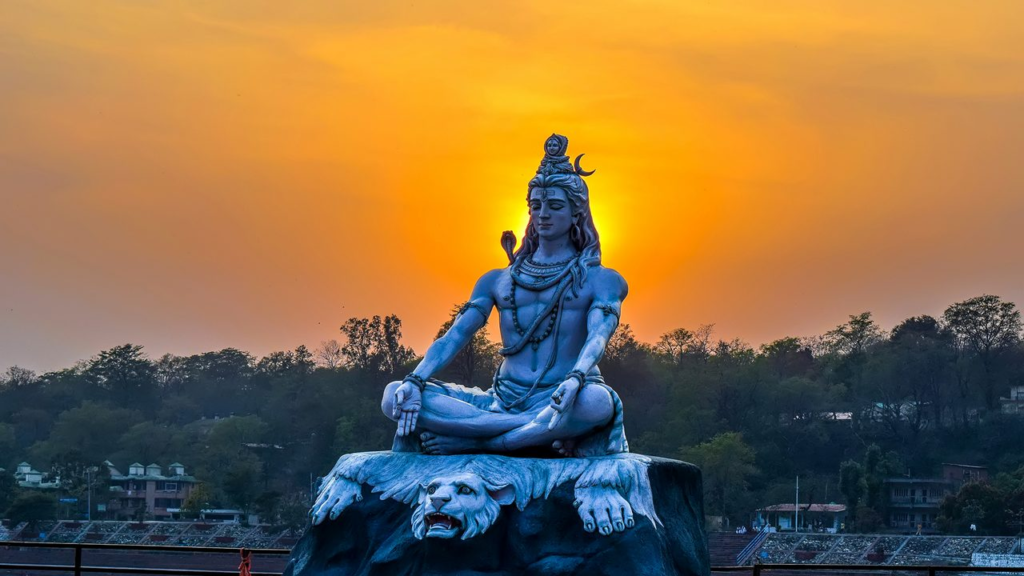
How Did Maha Shivaratri Festival Begin?
The origin of Maha Shivaratri is described in several Hindu scriptures and legends. Different stories explain the significance of this sacred night, but all of them highlight the greatness of Lord Shiva.
Legend of Shiva and Parvati’s Marriage
One of the most popular beliefs is that Maha Shivaratri marks the divine marriage of Lord Shiva and Goddess Parvati. After years of intense penance, Goddess Parvati won Lord Shiva’s heart and married him on this auspicious night. Devotees believe that worshipping Lord Shiva on Maha Shivaratri brings marital harmony, love, and happiness.
Samudra Manthan Story
Another important legend associated with Maha Shivaratri comes from the Samudra Manthan, or the churning of the ocean. During this event, a deadly poison called Halahala emerged from the ocean and threatened to destroy the universe. To save creation, Lord Shiva consumed the poison and held it in his throat. This turned his throat blue, earning him the name Neelkanth. Maha Shivaratri is celebrated to honor this supreme sacrifice made by Lord Shiva.
Manifestation of the Shiva Lingam
According to another belief, Maha Shivaratri is the night when Lord Shiva manifested himself as a massive pillar of fire, known as the Jyotirlinga. This event symbolized that Lord Shiva has no beginning and no end. The Shiva Lingam represents this infinite nature and is worshipped with great devotion on Maha Shivaratri.
Spiritual Meaning of Maha Shivaratri
Maha Shivaratri has a deep spiritual meaning beyond rituals and traditions. Lord Shiva represents detachment, inner silence, and supreme awareness. This festival reminds devotees to rise above ego, desires, and material attachments.
Staying awake throughout the night symbolizes overcoming darkness and ignorance. Fasting represents control over physical desires. Meditation and chanting help align the mind with higher consciousness. Maha Shivaratri teaches that true peace comes from within.
Why Is Maha Shivaratri So Important?
Maha Shivaratri is considered one of the most auspicious days in the Hindu calendar. Devotees believe that sincere worship on this night can remove past sins and bring blessings for health, wealth, and spiritual growth.
It is believed that Lord Shiva is easily pleased on Maha Shivaratri. Even simple offerings made with devotion, such as water, milk, or bilva leaves, are said to bring divine grace. This is why people from all walks of life observe this festival with faith and humility.
Maha Shivaratri Rituals and Puja Vidhi
The rituals of Maha Shivaratri begin early in the morning and continue until the next day.
Devotees wake up before sunrise and take a holy bath. They clean their homes and visit Shiva temples. The main ritual is the Abhishekam of the Shiva Lingam. It is performed using water, milk, curd, honey, ghee, sugar, and sacred ash.
Bilva leaves are considered extremely sacred to Lord Shiva and are offered during worship. Devotees chant “Om Namah Shivaya” and recite Shiva mantras and hymns throughout the day and night.
Many people observe a strict fast, consuming only fruits and water. Some devotees do not eat or drink anything until the next morning. The fast is believed to purify the body and mind.
Importance of Night Vigil (Jagaran)
One of the most important aspects of Maha Shivaratri is staying awake all night, known as Jagaran. Devotees believe that remaining awake and engaged in prayers helps overcome ignorance and negative tendencies.
Temples organize special pujas, bhajans, and discourses throughout the night. The worship is often divided into four phases called Prahars, each with specific rituals and prayers.
READ ALSO : Union Budget 2026–27: Winners, Losers & Major Economic Decisions
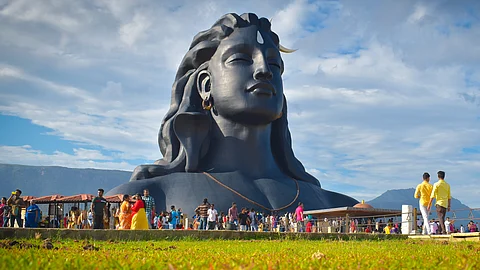
Maha Shivaratri Celebrations Across India
Maha Shivaratri is celebrated with great devotion across India. Major Shiva temples attract lakhs of devotees on this day.
In Varanasi, one of the holiest cities dedicated to Lord Shiva, Maha Shivaratri is celebrated on a grand scale. In states like Karnataka, Tamil Nadu, Andhra Pradesh, Maharashtra, and Uttar Pradesh, devotees throng temples from early morning till midnight.
Pilgrimage centers witness massive gatherings, and spiritual events are organized across cities and villages.
Maha Shivaratri in Modern Times
In modern times, Maha Shivaratri has become a global spiritual event. Yoga centers, spiritual organizations, and temples around the world organize meditation programs, cultural events, and live-streamed prayers.
Young people are increasingly participating in the festival, seeing it as an opportunity for inner balance and mental peace in a fast-paced world.
Conclusion
Maha Shivaratri is not just a festival; it is a powerful spiritual occasion that inspires self-reflection, discipline, and devotion. It teaches humanity the values of sacrifice, humility, and inner strength. By observing Maha Shivaratri with faith and awareness, devotees seek the blessings of Lord Shiva for a meaningful and balanced life.
This sacred night reminds everyone that darkness is temporary and light always prevails through devotion and truth.
Why is Maha Shivaratri celebrated?
Maha Shivaratri is celebrated to honor Lord Shiva and his supreme power. It marks important events like the divine marriage of Shiva and Parvati, Shiva consuming poison during Samudra Manthan, and the manifestation of the Jyotirlinga.
Why do devotees stay awake on Maha Shivaratri night?
Staying awake symbolizes overcoming darkness and ignorance. It is believed that spiritual energy is at its peak on this night, making it ideal for meditation and prayer.
What is the spiritual meaning of Maha Shivaratri?
Maha Shivaratri represents inner awakening, self-control, and detachment from worldly desires. It teaches devotion, discipline, and spiritual growth.